
Blog
5 Simple Ways to Verify the Authenticity of Signed Sports Memorabilia

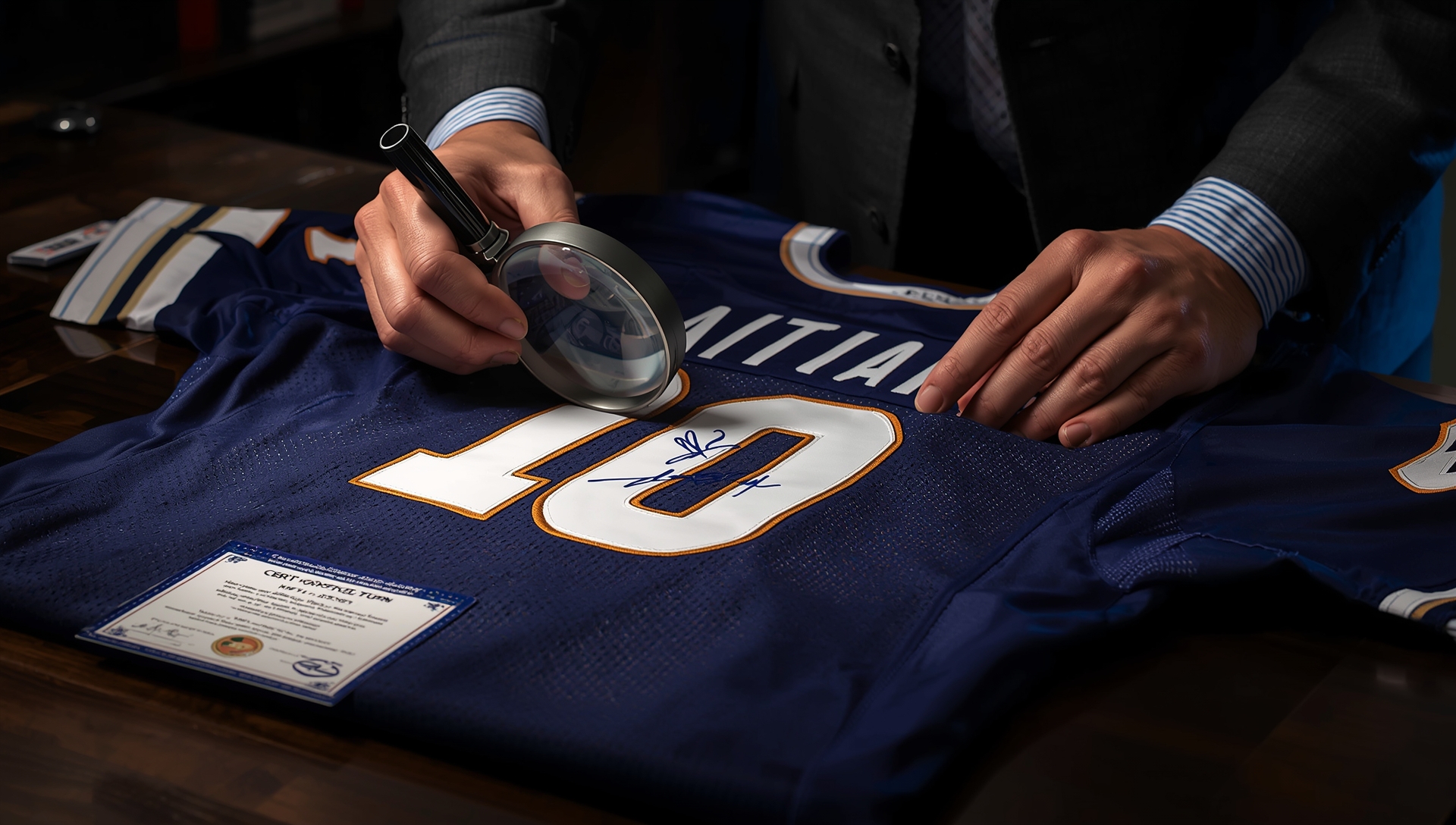
The sports memorabilia market is growing rapidly, and so are the risks of counterfeit items. Collectors, both new and experienced, often face the challenge of distinguishing real signed collectibles from fake ones. Whether it’s a jersey, a ball, or a trading card, knowing how to verify authenticity is essential to protect your investment and build a trustworthy collection.
Below are five practical and effective ways to confirm whether your signed sports memorabilia is genuine.
1. Check for a Certificate of Authenticity (COA)
A Certificate of Authenticity (COA) is the first and most basic step in verifying your collectible. A COA should include:
- A unique verification number or serial code
- Details about the item and the signing event
- Information about the issuer or authentication company
Make sure the COA comes from a reputable organization or directly from the team, athlete, or official license holder. Be cautious of generic or poorly printed certificates.
2. Use Online Verification Systems
Most reputable memorabilia companies provide an online verification system linked to the item’s unique code.
Steps to verify:
- Locate the unique code on the item or its COA.
- Visit the official verification website.
- Enter the code to confirm the item’s authenticity.
This process allows you to match your physical collectible with the digital record, ensuring it hasn’t been duplicated or tampered with.
3. Inspect the Hologram or Serial Number
Genuine signed memorabilia often includes a tamper-proof hologram or serial sticker that corresponds with the COA or the database entry.
- Check if the hologram has security features such as microtext, reflective layers, or hidden identifiers.
- Match the serial number with the authentication company’s records.
- Avoid items with scratched, faded, or misplaced holograms.
4. Examine the Signature Closely
Even without special tools, you can learn to spot fake autographs by carefully comparing them to verified examples.
Look for:
- Natural flow and pressure in the signature
- Consistency with known authentic signatures
- Smooth lines instead of shaky or printed patterns
Professional authentication companies often use forensic techniques, but a trained eye can identify obvious fakes.
5. Buy Only from Trusted Sources
The best way to avoid counterfeit memorabilia is to buy from trusted sellers. This includes:
- Official team or league stores
- Certified memorabilia dealers and auction houses
- Established online platforms with transparent verification policies
Avoid cash-only deals, social media marketplaces, or sellers who refuse to provide proof of authenticity.
Why Authenticity Matters
Verifying your collectible is more than just protecting your money. Authentic memorabilia holds historical and sentimental value. A genuine signed item connects you to a specific moment in sports history. Counterfeit items, on the other hand, not only hold no real value but can also undermine the credibility of your collection.
Final Thoughts
Authenticating signed sports memorabilia is not complicated if you follow the right steps. Always check for a COA, use online verification tools, inspect holograms and signatures carefully, and only buy from reliable sources. Taking these steps will give you confidence in your collection and help preserve its long-term value.
If you already own a collectible with a verification code, you can confirm its authenticity instantly using our Verification Page.


